Cold Factor Cooling

Sale ends in

00
DAY
00
HOUR
00
MINUTES
00
SECONDS

Category: Fitness & Workouts

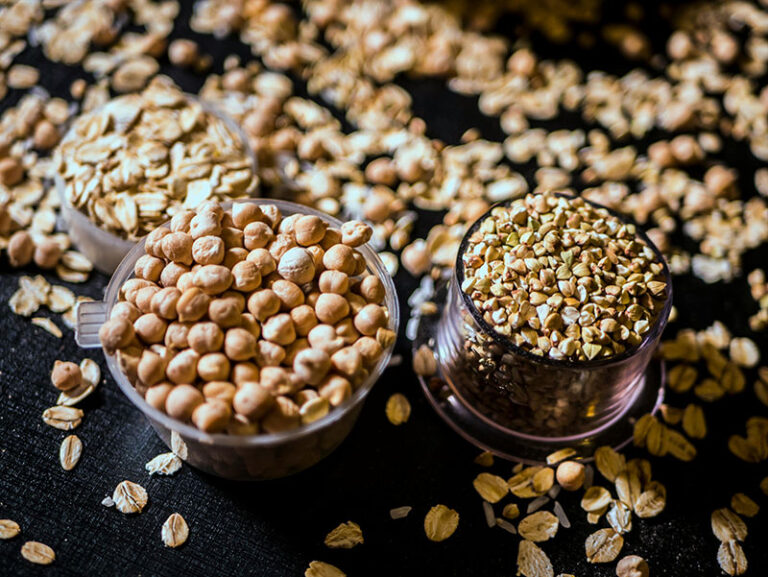
Healthy Grains and Legumes Including Chickpeas, Oats, and Buckwheat on a Dark Surface
Fitness & Workouts

Winter Fitness Fuel

Winter Fitness Fuel: Best Foods for Energy During Cold-Weather WorkoutsWinter workouts can feel extra challenging, especially when the chill sets in and motivation is low. But with the right fuel, you can power through even the coldest sessions and maintain energy throughout your workout. The right foods help your body stay warm, boost endurance, and recover faster, ensuring that your fitness goals stay on track throughout the winter months. Here are the best foods to keep your energy high and your muscles strong during cold-weather workouts. 1. OatsOats are the perfect pre-workout breakfast. Full of complex carbohydrates, they provide slow-releasing energy that can keep you going throughout your workout. They’re also high in fiber, which promotes digestion and helps maintain stable blood sugar levels. Oats are also loaded with B-vitamins that help convert food into energy, making them an ideal choice for fueling up before heading out in the cold. Winter Tip: Top your oats with a handful of nuts, seeds, or fruit to increase the healthy fats and antioxidants, keeping your immune system strong. 2. Sweet PotatoesRich in carbohydrates and packed with vitamins A and C, sweet potatoes provide long-lasting energy while helping to support your immune system during the winter. They’re also high in potassium, which is crucial for muscle function, especially in cold-weather workouts where your muscles may be more prone to tightening. Winter Tip: Bake or mash your sweet potato with a little cinnamon and nutmeg for a cozy, warming side dish that’s perfect after a chilly workout. 3. Greek YogurtGreek yogurt is full of protein, which helps with muscle repair and recovery after a workout. It also contains probiotics that support gut health, helping to enhance overall digestion and immunity—important during cold and flu season. The creamy texture and richness of Greek yogurt make it a satisfying option for both breakfast or post-workout snacks. Winter Tip: Mix in some frozen berries or a drizzle of honey for an added dose of antioxidants and natural sugars to keep your energy levels stable. 4. Leafy GreensSpinach, kale, and other dark leafy greens are packed with iron, which helps oxygen flow to your muscles. This is especially important in colder weather, as your body may require more oxygen to keep energy levels high. These greens also provide fiber, vitamins, and minerals, making them essential for overall health. Winter Tip: Incorporate leafy greens into soups and stews to help warm you up after a workout and stay nourished. 5. Nuts and SeedsNuts and seeds, like almonds, walnuts, chia seeds, and flaxseeds, are packed with healthy fats and protein. They provide a steady release of energy, helping you avoid that post-workout crash. Omega-3 fatty acids in walnuts also help reduce inflammation and support joint health, which is important during colder months when the risk of joint pain can increase. Winter Tip: Carry a small bag of mixed nuts and seeds with you for a quick and easy snack on the go. 6. BananasBananas are a great source of potassium, which helps prevent muscle cramps and replenishes electrolytes lost during exercise. The natural sugars in bananas provide a quick energy boost, making them the perfect snack before or after a workout. Winter Tip: Pair your banana with a small handful of almonds or peanut butter for a balanced and satisfying snack. Winter Workout Energy Smoothie RecipeAfter your cold-weather workout, nothing feels better than a warming, nourishing smoothie. Here’s a winter-friendly smoothie recipe to keep you fueled and satisfied: Ingredients: 1/2 cup oats 1 small sweet potato (cooked and cooled) 1/2 cup Greek yogurt 1 small banana 1 tbsp almond butter 1/2 tsp cinnamon 1/2 tsp ground ginger 1 cup almond milk (or milk of choice) A pinch of salt (to replenish electrolytes) Optional: ice cubes or frozen berries for extra chill Instructions: In a blender, combine the oats, cooked sweet potato, Greek yogurt, banana, almond butter, cinnamon, ginger, and a pinch of salt. Pour in the almond milk and blend until smooth. If you prefer a thicker consistency, add more oats or some ice cubes. Pour into a glass and enjoy your nourishing smoothie! This smoothie combines complex carbs, healthy fats, and protein to help you recover after a cold-weather workout, while the warming spices give it a cozy, wintery flavor. Final ThoughtsWinter workouts can be invigorating, but fueling your body properly is key to ensuring you have the energy to power through. By incorporating nutrient-rich foods like oats, sweet potatoes, leafy greens, and protein-rich yogurt, you’ll not only support your energy levels but also keep your body strong, healthy, and ready to tackle your next workout. Remember, the right post-workout recovery foods, like this winter smoothie, will also ensure that you feel your best and keep your fitness journey going strong through the cold months!

Read More »
cooling towels neck wrap outdoor workout gym sport chill cooling scarf breathable fabric heat exhaustion relief water activated summer gear refreshing pads hiking
Fitness & Workouts

The Ultimate Guide to Couple Workouts

It’s February and love is in the Gym. The Ultimate Guide to Couple Workouts: Physical and Emotional Benefits, Plus Tips for Success Working out as a couple isn’t just about getting fit together—it’s a great way to bond, motivate each other, and build a deeper emotional connection. Whether you’re looking to improve your fitness or strengthen your relationship, exercising together offers both physical and emotional benefits that can last long after the endorphins wear off. Here are some reasons why couple workouts can enhance both your body and your relationship, along with tips to make them successful. The Physical Benefits Motivation and Accountability: Having a workout partner can push you to stick to your fitness goals. When one partner feels less motivated, the other can offer encouragement, turning a missed workout into a fun, shared experience. Variety in Your Routine: Exercising with your partner often introduces you to new types of workouts that you might not have considered on your own. You can mix up your usual routine with exciting and challenging activities that both partners enjoy. Improved Results: Studies suggest that couples who work out together are more likely to stay consistent and achieve their fitness goals. Whether you’re lifting weights, doing cardio, or trying something new, having someone by your side can boost your commitment and performance. The Emotional Benefits Bonding Time: Sharing a workout routine provides dedicated time together to connect without distractions. Whether it’s a quick 30-minute session or a longer workout, it gives you the chance to unwind and focus on each other. Better Communication: Exercise involves a level of coordination, whether it’s synchronizing your movements or adjusting your pace. This can improve communication, not just during the workout, but in other aspects of your relationship as well. Stress Relief: Physical activity is known for reducing stress and anxiety. Working out together allows you to support each other through stressful moments, while releasing those “feel-good” endorphins that make both of you feel better. Types of Workouts to Try Partner Yoga: This workout combines flexibility and strength while fostering trust and teamwork. Partner poses require you to rely on each other for balance and support, making it a fun way to connect. HIIT (High-Intensity Interval Training): A great choice for couples who want a quick, intense workout. HIIT allows you to alternate between high-intensity exercises and short rest periods, which is perfect for pairing up. Running or Cycling: Going for a run or a bike ride together offers great cardiovascular benefits while allowing for conversation and connection during the workout. Strength Training: Lift weights or try resistance exercises together. This can include spotting each other or challenging each other with different exercises. Tips for Making Couple Workouts Work Set Clear Goals: Discuss your fitness goals beforehand. Whether you’re aiming for weight loss, strength building, or simply staying active, ensure that both partners are on the same page. Be Patient with Each Other: Not everyone has the same fitness level. Be understanding if one partner needs to modify an exercise or if they’re struggling to keep up. Make it Fun: Keep things lighthearted. Play music, make jokes, and enjoy each other’s company. The more fun it is, the more likely you’ll stick with it. Celebrate Successes Together: Whether it’s hitting a personal best or simply showing up consistently, take the time to acknowledge and celebrate your achievements as a team. Exercising as a couple not only strengthens your body but also deepens your emotional connection. By making it a priority, you can improve your health and create lasting memories together.

Read More »
cooling towel pva neck wrap instant chill wet scarf outdoor gym sport hiking frog cooling blue soft cloth construction water activated summer cold relief refreshing
Fitness & Workouts

New Year, New Fitness Routine: Tips to Getting Started

The start of a new year is the perfect time to take a fresh approach to your fitness routine. Whether you’re an athlete looking to up your game, a worker trying to stay active in a busy schedule, or someone new to fitness, building a new workout routine can be exciting—and a little overwhelming. But with the right guidance, you can set yourself up for success and make this year the one where you achieve your fitness goals. Here are some expert tips to help you get started on the right foot and stick to your new routine. 1. Set Clear and Realistic GoalsOne of the biggest mistakes people make when starting a new fitness routine is setting goals that are too ambitious. While it’s great to aim high, unrealistic expectations can quickly lead to frustration or burnout. Instead, start by setting clear, achievable goals that you can track over time. Tip: Break your long-term fitness goals into smaller, measurable steps. For example, if you’re aiming to run a 5K, start by setting goals for how far you can run each week and gradually increase the distance. 2. Choose Activities You EnjoyExercise doesn’t have to feel like a chore. The best way to stay consistent with your fitness routine is by choosing activities you actually enjoy. Whether it’s running, cycling, yoga, or strength training, pick something that excites you. If you find it hard to stay motivated, try switching up your routine to keep things fresh and fun. Tip: Experiment with different types of workouts and see what feels best for you. If you’re unsure, you can start with something low-impact, like walking or swimming, and gradually progress to more intense exercises as your fitness improves. 3. Start Slow and Build GraduallyIt can be tempting to jump into an intense workout schedule, especially with the energy and enthusiasm that comes with New Year’s resolutions. However, starting too quickly can lead to injury and burnout. Instead, ease into your routine, especially if you’re new to working out. Your body needs time to adjust to new physical demands. Tip: Begin with 2-3 days of exercise per week, then gradually increase the frequency and intensity. For example, start with 20-30 minute workouts and build up to longer sessions as you get stronger. 4. Focus on Form, Not Just IntensityGood form is essential in preventing injuries and getting the most out of your workouts. Whether you’re lifting weights, running, or doing bodyweight exercises, always prioritize proper technique over intensity. If you’re unsure about your form, consider working with a trainer or using online resources to guide you. Tip: Take the time to learn and practice proper form, especially for exercises that place strain on your joints, like squats and deadlifts. Proper form will improve your performance and help avoid injuries in the long run. 5. Fuel Your Body ProperlyTo perform at your best and recover properly from workouts, your body needs the right fuel. This means eating a balanced diet that includes lean proteins, healthy fats, complex carbohydrates, and plenty of fruits and vegetables. Proper nutrition supports muscle recovery, provides energy for workouts, and keeps your immune system strong. Tip: Hydrate before, during, and after workouts, and aim to eat a post-workout meal within an hour of finishing your exercise. For a quick recovery, try a smoothie with protein, healthy fats, and fruit. 6. Rest and RecoverWhile it’s important to stay consistent with your workouts, rest is equally important for progress. Overtraining without enough recovery can lead to fatigue, decreased performance, and even injury. Make sure to schedule rest days in your routine and listen to your body. If you’re feeling overly sore or fatigued, take a break. Tip: Include at least one or two rest days in your weekly routine. You can also incorporate active recovery on lighter days—activities like stretching, yoga, or a gentle walk can help speed up recovery. 7. Track Your ProgressTracking your progress is a great way to stay motivated and see how far you’ve come. Whether you’re focusing on strength, endurance, or overall fitness, keeping a log of your workouts, meals, and how you’re feeling can help you identify patterns and areas for improvement. Tip: Use a fitness app or journal to track your workouts, recovery, and goals. Seeing your improvement over time can be a huge confidence booster and keep you focused on your long-term goals. 8. Be Patient and Stay ConsistentProgress doesn’t happen overnight. Fitness is a journey that requires time, consistency, and dedication. It’s important to stay patient and trust the process, even when you don’t see immediate results. Celebrate your small wins and remember that consistency is key. Tip: Don’t get discouraged by slow progress. Focus on the long-term benefits of your fitness journey, such as increased energy, improved mental health, and better overall health. ConclusionStarting a new fitness routine in the New Year is an exciting opportunity to set yourself up for success. By setting realistic goals, choosing enjoyable activities, prioritizing good form, and fueling your body properly, you’ll be well on your way to achieving your fitness objectives. Remember, the key is consistency—stick with your routine, track your progress, and be patient with yourself. With these tips, you can make 2025 the year you take your fitness to new heights. Here’s to a strong, healthy year ahead!

Read More »