Cold Factor Cooling

Sale ends in

00
DAYS
00
HRS
00
MIN
00
SEC

Category: Fitness & Workouts

microfiber cooling towel pink soft absorbent quick dry lightweight fabric chill refreshing yoga indoor mindfulness workout cooling gear moisture wicking comfort heat relief durable
Fitness & Workouts

Transitioning to Fall: Staying Active as the Seasons Change

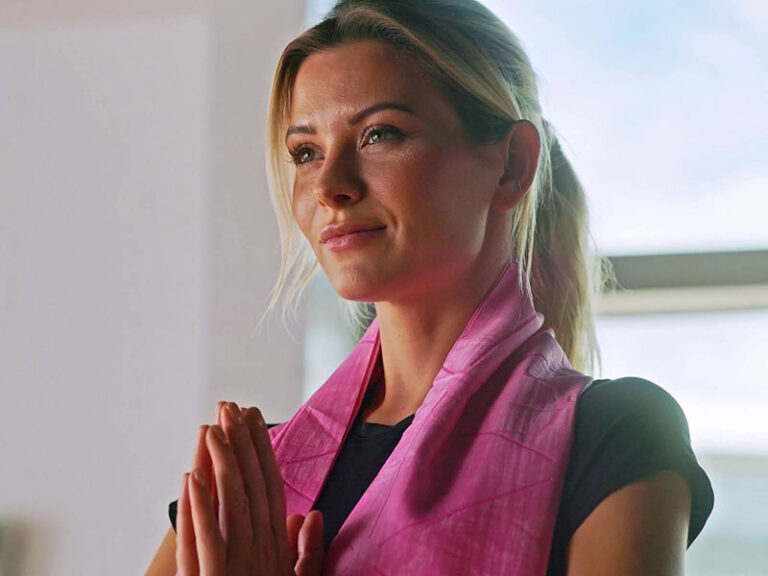
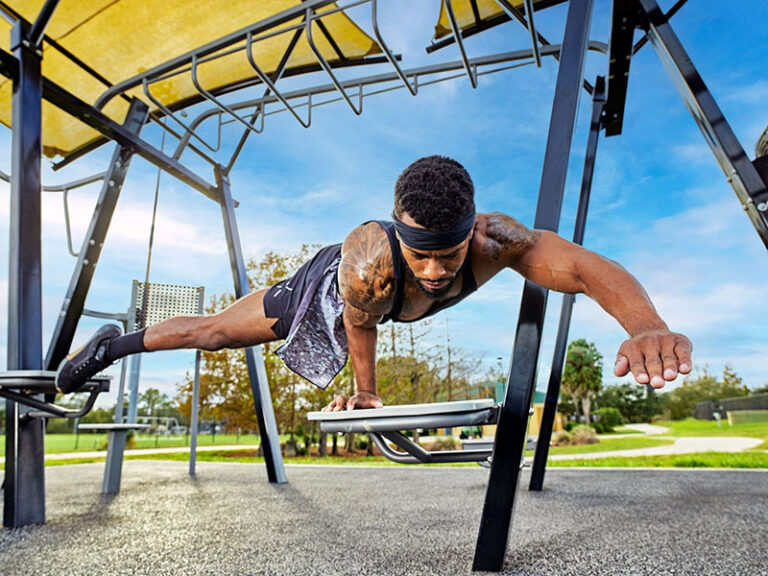
As the temperatures drop and the days grow shorter, it’s tempting to slow down and curl up indoors. However, staying active during seasonal changes is essential for maintaining energy levels, preventing sluggishness, and supporting overall well-being. Here’s how to transition your fitness routine smoothly from summer to fall while keeping yourself comfortable and motivated. Take Advantage of Cooler Mornings Fall mornings bring crisp, refreshing air—perfect for outdoor workouts without the intense summer heat. Try these activities: Morning Walks or Jogs – Enjoy the peaceful surroundings before the day starts. Hiking – The changing leaves create a beautiful outdoor experience. Outdoor Strength Training – Use park benches for step-ups, dips, or push-ups. Modify Your Workout for Fall With fewer daylight hours, it helps to adjust your workout schedule and consider indoor alternatives: Strength Training at Home – Resistance bands and dumbbells allow for an effective workout. Yoga and Stretching – Enhance flexibility and reduce stiffness as the weather cools. Treadmill or Indoor Cycling – Keep up your cardio routine indoors. Keep Cool & Dry with the Instant Cooling Microfiber Towel Even as temperatures drop, workouts can still make you sweat. The Instant Cooling Microfiber Towel is a must-have for fall workouts. It’s ultra-absorbent, lightweight, and provides a refreshing cooling effect after intense activity. Just dampen, wring, and snap for an instant chill. As the season shifts, staying active will help maintain both your physical and mental well-being. Adjust your routine, embrace the change, and keep moving forward.

Read More »
cooling towels neck wrap sport outdoor gym workout chill cooling scarf heat exhaustion relief breathable fabric summer hiking gear water activated cooling pads refreshing
Fitness & Workouts

Back-to-School Fitness: Quick & Effective Workouts for Busy Schedules

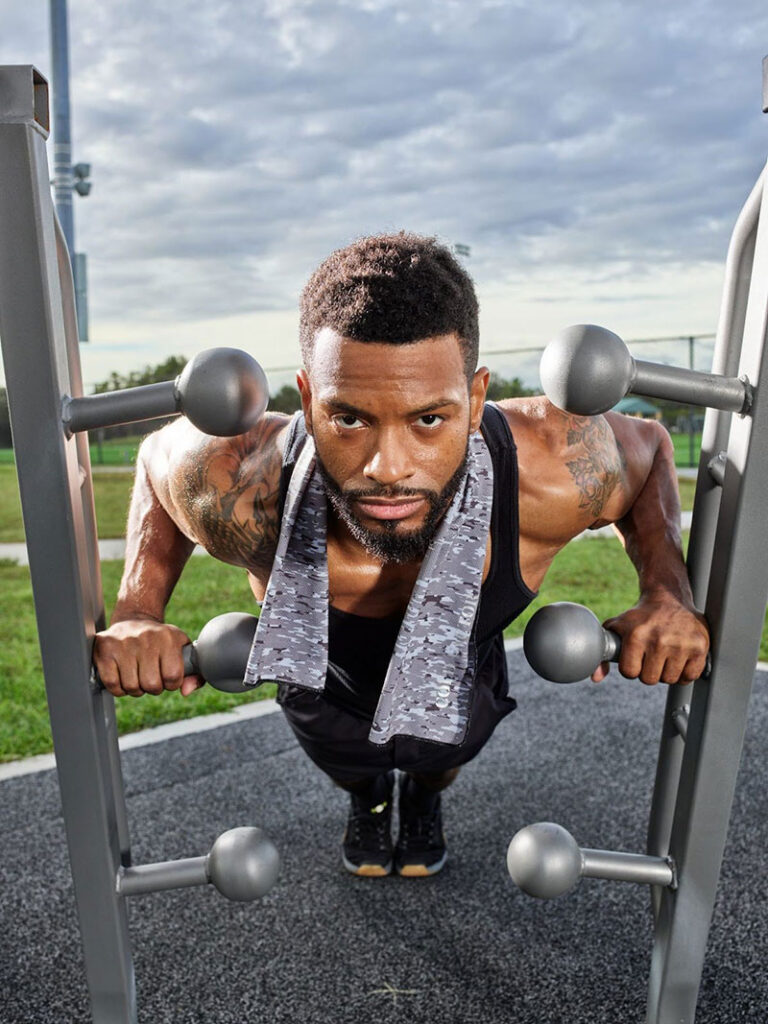
As schedules get packed with school drop-offs, meetings, and fall commitments, finding time for fitness can feel overwhelming. However, staying active doesn’t have to mean long workouts—just smart ones. Here are quick and effective workouts to keep you moving, no matter how busy your schedule gets. The 15-Minute Full-Body Burn Pressed for time? This 15-minute high-intensity workout will help you stay in shape: Squats – 45 seconds Push-ups – 45 seconds Jumping Jacks – 45 seconds Lunges – 45 seconds Plank – 1 minute Repeat the circuit three times for an efficient workout that fits into any schedule. Desk Workout for Busy Days If you are stuck at work or helping with homework, try these quick desk exercises: Seated Leg Lifts – Strengthen your core while sitting. Chair Dips – Target your triceps and shoulders. Wall Sits – Engage your lower body muscles. Stay Cool with the Instant Cooling Headband Sweat can be distracting, but the Instant Cooling Headband is designed to wick moisture away and keep you cool during workouts or throughout your busy day. Just wet it, wring it, and snap it for an instant cooling effect that lasts for hours. Even with a jam-packed schedule, you can fit in fitness and stay refreshed.

Read More »
pva cooling towel instant chill soft absorbent water activated scarf indoor cycling workout sport gym cooling relief moisture wicking cold refreshing outdoor activities
Fitness & Workouts

Heatwave Ready: Smart Workout Strategies for Hot Weather

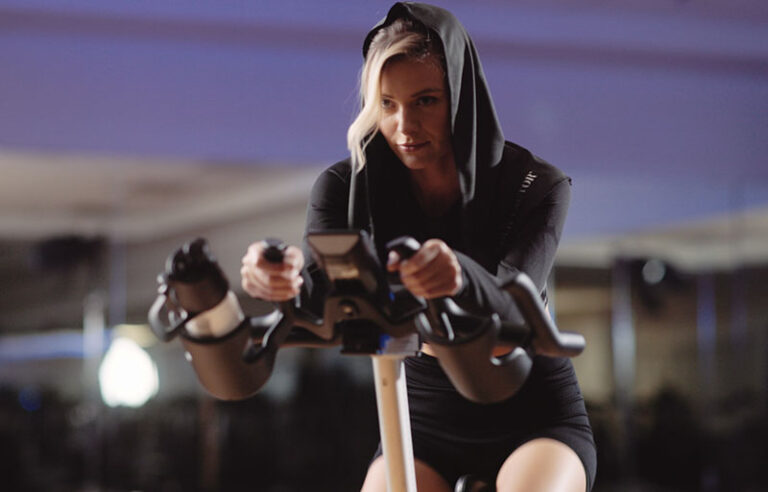
When the summer heat is at its peak, exercising outdoors can feel impossible. However, staying active in hot weather is achievable with the right approach. Whether you’re a runner, cyclist, or outdoor fitness enthusiast, following heatwave-ready workout strategies will help you stay safe, cool, and energized. 1. Choose the Right Time for Exercise Timing is everything when it comes to outdoor workouts in hot weather. The best time to exercise is early in the morning (before 9 AM) or late in the evening (after 6 PM) when temperatures are lower. Avoid working out during the hottest hours (10 AM – 4 PM) to reduce the risk of heat exhaustion. 2. Wear Cooling & Protective Gear Dressing properly can make a significant difference in how your body handles the heat. Lightweight, moisture-wicking, and UV-protective clothing is essential. The Instant Cooling Hoodie is a game-changer—it helps regulate your body temperature while protecting your skin from harmful sun exposure. Simply wet, wring, and snap it to activate the cooling effect, keeping you comfortable even in scorching heat. 3. Hydration is Key Sweating depletes your body’s water and electrolytes, so drinking plenty of fluids is non-negotiable. Drink water before, during, and after your workout, and consider adding electrolyte drinks or coconut water to replenish lost minerals. A good rule of thumb is to sip water every 15-20 minutes during physical activity. 4. Modify Your Workout Routine Hot weather is not the time to push your body to the limit. Adjust your workout intensity and duration to prevent overheating. Consider lower-impact activities like swimming, yoga, or brisk walking instead of high-intensity exercises. Listen to your body and take breaks when needed. 5. Seek Shade & Use Cooling Accessories If possible, exercise in shaded areas like parks, trails, or under trees to avoid direct sun exposure. Using cooling accessories like the Instant Cooling Hoodie, a cooling towel, or a misting water bottle can also help regulate your body temperature and prevent heat exhaustion. Staying active during a heatwave is possible with smart strategies and the right cooling gear. Keep yourself hydrated, wear lightweight clothing, and modify your workouts to ensure a safe and effective fitness routine.

Read More »
cooling neck wrap towel instant cooling outdoor workout breathable fabric chill relief water activated hiking sport heat exhaustion gear summer gym refreshing pads
Fitness & Workouts

Cardio vs Strength Training: What’s Ideal for You?

Cardio vs Strength Training: What’s Ideal for You? When it comes to fitness, the debate between cardio and strength training is ongoing. Both offer unique benefits, and choosing the right one depends on your goals, fitness level, and workout preferences. Cardio: Boosting Endurance and Heart Health Cardiovascular exercise, such as running, cycling, or swimming, focuses on improving heart health, increasing stamina, and burning calories. It enhances lung capacity, reduces stress, and helps manage weight by creating a calorie deficit. However, too much cardio without proper recovery can lead to muscle loss and fatigue. Strength Training: Building Muscle and Metabolism Strength training helps increase muscle mass, strengthen bones, and boost metabolism. Lifting weights or using resistance bands enhances overall strength while also improving posture and reducing the risk of injuries. Unlike cardio, strength training increases your resting metabolic rate, allowing you to burn calories even after your workout. Which One is Right for You? Your ideal workout depends on your goals. If you want to lose weight and improve endurance, cardio should be your focus. If you’re looking to build muscle, tone your body, and improve strength, resistance training is key. However, the best approach is often a mix of both—cardio for heart health and stamina, and strength training for muscle development and long-term fat loss. Regardless of your choice, staying cool and comfortable during workouts is essential. The Instant Cooling PVA Neck Wrap is a perfect addition to your gym gear, providing instant relief by cooling your body temperature as you exercise. Simply activate it with water and wear it around your neck to stay refreshed, whether you’re sweating through an intense cardio session or lifting weights. At the end of the day, the best workout routine is one that fits your lifestyle and keeps you motivated. The key to success is consistency, so choose the type of exercise that you enjoy and can stick with in the long run.

Read More »
microfiber cooling towel quick dry soft absorbent fabric ideal for gym workouts yoga or outdoor sports moisture wicking chill refreshing cooling gear blue lightweight heat relief
Fitness & Workouts

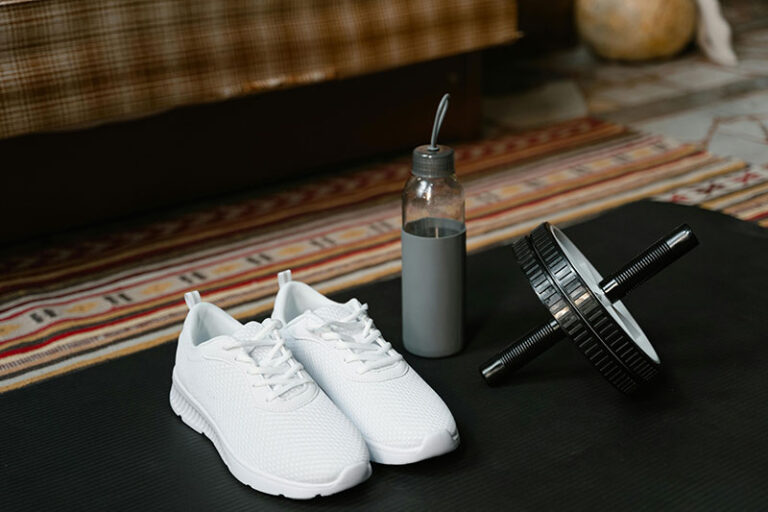
Winter Workout Essentials

Winter Workout Essentials: Staying Comfortable with Moisture-Wicking GearWhen it comes to winter workouts, staying warm, dry, and comfortable is essential. Whether you’re hitting the trails for a brisk run, doing an outdoor boot camp, or simply enjoying recreational activities like hiking or snowshoeing, moisture-wicking gear is key to maintaining performance, comfort, and safety in the cold. Let’s explore why keeping your skin dry is critical for heat retention and how moisture-wicking technology works, along with examples of products that can help keep you comfortable all season long. Why Keeping Your Skin Dry is Critical for Heat RetentionWhen you exercise in cold weather, your body naturally sweats to regulate its temperature. However, when sweat stays trapped against your skin, it cools your body down—sometimes dangerously so. Wet skin in cold weather can quickly lead to discomfort, chills, and even hypothermia if not managed properly. The body’s primary method for staying warm is through its natural insulation, but if sweat accumulates and saturates your clothing, it pulls heat away from the body. This makes it harder for your body to retain the heat it produces during exercise, leaving you vulnerable to the cold. Staying dry is crucial to maintaining your body’s core temperature, helping to prevent the dangerous drop in body temperature that can occur when sweat sits against the skin. How Moisture-Wicking Gear WorksMoisture-wicking fabrics are designed to pull moisture (like sweat) away from your skin and move it to the outer layers of the fabric, where it can evaporate more easily. Unlike traditional cotton, which absorbs moisture and holds it against the skin, moisture-wicking fabrics actively push sweat to the surface, helping to keep you dry and more comfortable. This is achieved through specially engineered fibers, often made from synthetic materials like polyester, nylon, or merino wool, that are hydrophobic (meaning they repel water) and have high breathability. Many moisture-wicking fabrics also have antimicrobial properties, which help reduce odor buildup, keeping you fresher for longer. These materials are lightweight and fast-drying, ensuring you don’t get bogged down by damp clothing during or after your workout. The Importance of Layering with Moisture-Wicking GearIn winter, layering your clothing is crucial for maintaining warmth and comfort. The moisture-wicking layer should be the first layer closest to your skin, as it helps pull sweat away from the body. Your second layer should provide insulation, such as fleece or down, while the outer layer (like a waterproof jacket) shields you from wind and precipitation. This combination keeps you warm without overheating and ensures that sweat doesn’t hinder your body’s ability to maintain temperature regulation. Examples of Moisture-Wicking Products Base Layers: The foundation of any winter workout outfit is the base layer. Look for moisture-wicking long-sleeve shirts, leggings, or tights made from synthetic fabrics like polyester or merino wool. These materials excel at pulling moisture away from your skin while remaining breathable. Socks: Keeping your feet dry is just as important as keeping the rest of your body dry. Wool and synthetic socks are excellent moisture-wicking choices to prevent dampness and blisters. Gloves: Your hands are especially vulnerable to cold weather. Choose gloves made with moisture-wicking materials that also offer warmth and flexibility. Hats and Headbands: A lot of body heat is lost through your head, so wearing a moisture-wicking hat can help regulate your body temperature and prevent sweat from dripping into your eyes. Jackets and Outer Layers: While your base layer wicks away sweat, your outer jacket should keep wind, rain, or snow out while still allowing for breathability. Staying Safe and Comfortable OutdoorsThe key to staying safe while exercising outdoors in the winter is to keep your body dry and warm. Moisture-wicking gear helps you regulate your body temperature by moving sweat away from your skin, preventing you from getting cold or overheated. Remember, moisture-wicking gear is only effective when combined with proper layering, as this allows for insulation and breathability. In addition to staying dry, be mindful of your surroundings. Choose appropriate gear for the conditions, stay hydrated, and layer up to make sure you stay comfortable and safe. It’s also important to pay attention to how your body feels during winter workouts—if you begin to feel excessively cold or chilled, it may be time to head inside or adjust your layers. ConclusionWhen it comes to winter workouts, staying dry is just as important as staying warm. Moisture-wicking clothing helps to ensure that sweat doesn’t reduce your body’s ability to retain heat and that you remain comfortable throughout your outdoor activities. By investing in moisture-wicking gear, such as base layers, socks, gloves, and outerwear, you can enjoy your winter workouts with confidence—knowing you’ll stay dry, safe, and ready for whatever the season has in store. Stay warm, stay dry, and keep moving!

Read More »
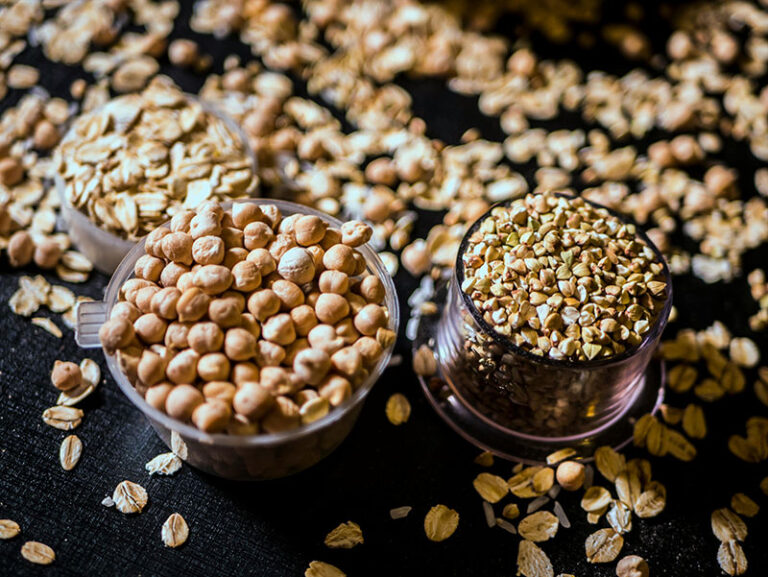
Healthy Grains and Legumes Including Chickpeas, Oats, and Buckwheat on a Dark Surface
Fitness & Workouts

Winter Fitness Fuel

Winter Fitness Fuel: Best Foods for Energy During Cold-Weather WorkoutsWinter workouts can feel extra challenging, especially when the chill sets in and motivation is low. But with the right fuel, you can power through even the coldest sessions and maintain energy throughout your workout. The right foods help your body stay warm, boost endurance, and recover faster, ensuring that your fitness goals stay on track throughout the winter months. Here are the best foods to keep your energy high and your muscles strong during cold-weather workouts. 1. OatsOats are the perfect pre-workout breakfast. Full of complex carbohydrates, they provide slow-releasing energy that can keep you going throughout your workout. They’re also high in fiber, which promotes digestion and helps maintain stable blood sugar levels. Oats are also loaded with B-vitamins that help convert food into energy, making them an ideal choice for fueling up before heading out in the cold. Winter Tip: Top your oats with a handful of nuts, seeds, or fruit to increase the healthy fats and antioxidants, keeping your immune system strong. 2. Sweet PotatoesRich in carbohydrates and packed with vitamins A and C, sweet potatoes provide long-lasting energy while helping to support your immune system during the winter. They’re also high in potassium, which is crucial for muscle function, especially in cold-weather workouts where your muscles may be more prone to tightening. Winter Tip: Bake or mash your sweet potato with a little cinnamon and nutmeg for a cozy, warming side dish that’s perfect after a chilly workout. 3. Greek YogurtGreek yogurt is full of protein, which helps with muscle repair and recovery after a workout. It also contains probiotics that support gut health, helping to enhance overall digestion and immunity—important during cold and flu season. The creamy texture and richness of Greek yogurt make it a satisfying option for both breakfast or post-workout snacks. Winter Tip: Mix in some frozen berries or a drizzle of honey for an added dose of antioxidants and natural sugars to keep your energy levels stable. 4. Leafy GreensSpinach, kale, and other dark leafy greens are packed with iron, which helps oxygen flow to your muscles. This is especially important in colder weather, as your body may require more oxygen to keep energy levels high. These greens also provide fiber, vitamins, and minerals, making them essential for overall health. Winter Tip: Incorporate leafy greens into soups and stews to help warm you up after a workout and stay nourished. 5. Nuts and SeedsNuts and seeds, like almonds, walnuts, chia seeds, and flaxseeds, are packed with healthy fats and protein. They provide a steady release of energy, helping you avoid that post-workout crash. Omega-3 fatty acids in walnuts also help reduce inflammation and support joint health, which is important during colder months when the risk of joint pain can increase. Winter Tip: Carry a small bag of mixed nuts and seeds with you for a quick and easy snack on the go. 6. BananasBananas are a great source of potassium, which helps prevent muscle cramps and replenishes electrolytes lost during exercise. The natural sugars in bananas provide a quick energy boost, making them the perfect snack before or after a workout. Winter Tip: Pair your banana with a small handful of almonds or peanut butter for a balanced and satisfying snack. Winter Workout Energy Smoothie RecipeAfter your cold-weather workout, nothing feels better than a warming, nourishing smoothie. Here’s a winter-friendly smoothie recipe to keep you fueled and satisfied: Ingredients: 1/2 cup oats 1 small sweet potato (cooked and cooled) 1/2 cup Greek yogurt 1 small banana 1 tbsp almond butter 1/2 tsp cinnamon 1/2 tsp ground ginger 1 cup almond milk (or milk of choice) A pinch of salt (to replenish electrolytes) Optional: ice cubes or frozen berries for extra chill Instructions: In a blender, combine the oats, cooked sweet potato, Greek yogurt, banana, almond butter, cinnamon, ginger, and a pinch of salt. Pour in the almond milk and blend until smooth. If you prefer a thicker consistency, add more oats or some ice cubes. Pour into a glass and enjoy your nourishing smoothie! This smoothie combines complex carbs, healthy fats, and protein to help you recover after a cold-weather workout, while the warming spices give it a cozy, wintery flavor. Final ThoughtsWinter workouts can be invigorating, but fueling your body properly is key to ensuring you have the energy to power through. By incorporating nutrient-rich foods like oats, sweet potatoes, leafy greens, and protein-rich yogurt, you’ll not only support your energy levels but also keep your body strong, healthy, and ready to tackle your next workout. Remember, the right post-workout recovery foods, like this winter smoothie, will also ensure that you feel your best and keep your fitness journey going strong through the cold months!

Read More »
cooling towels neck wrap outdoor workout gym sport chill cooling scarf breathable fabric heat exhaustion relief water activated summer gear refreshing pads hiking
Fitness & Workouts

The Ultimate Guide to Couple Workouts

It’s February and love is in the Gym. The Ultimate Guide to Couple Workouts: Physical and Emotional Benefits, Plus Tips for Success Working out as a couple isn’t just about getting fit together—it’s a great way to bond, motivate each other, and build a deeper emotional connection. Whether you’re looking to improve your fitness or strengthen your relationship, exercising together offers both physical and emotional benefits that can last long after the endorphins wear off. Here are some reasons why couple workouts can enhance both your body and your relationship, along with tips to make them successful. The Physical Benefits Motivation and Accountability: Having a workout partner can push you to stick to your fitness goals. When one partner feels less motivated, the other can offer encouragement, turning a missed workout into a fun, shared experience. Variety in Your Routine: Exercising with your partner often introduces you to new types of workouts that you might not have considered on your own. You can mix up your usual routine with exciting and challenging activities that both partners enjoy. Improved Results: Studies suggest that couples who work out together are more likely to stay consistent and achieve their fitness goals. Whether you’re lifting weights, doing cardio, or trying something new, having someone by your side can boost your commitment and performance. The Emotional Benefits Bonding Time: Sharing a workout routine provides dedicated time together to connect without distractions. Whether it’s a quick 30-minute session or a longer workout, it gives you the chance to unwind and focus on each other. Better Communication: Exercise involves a level of coordination, whether it’s synchronizing your movements or adjusting your pace. This can improve communication, not just during the workout, but in other aspects of your relationship as well. Stress Relief: Physical activity is known for reducing stress and anxiety. Working out together allows you to support each other through stressful moments, while releasing those “feel-good” endorphins that make both of you feel better. Types of Workouts to Try Partner Yoga: This workout combines flexibility and strength while fostering trust and teamwork. Partner poses require you to rely on each other for balance and support, making it a fun way to connect. HIIT (High-Intensity Interval Training): A great choice for couples who want a quick, intense workout. HIIT allows you to alternate between high-intensity exercises and short rest periods, which is perfect for pairing up. Running or Cycling: Going for a run or a bike ride together offers great cardiovascular benefits while allowing for conversation and connection during the workout. Strength Training: Lift weights or try resistance exercises together. This can include spotting each other or challenging each other with different exercises. Tips for Making Couple Workouts Work Set Clear Goals: Discuss your fitness goals beforehand. Whether you’re aiming for weight loss, strength building, or simply staying active, ensure that both partners are on the same page. Be Patient with Each Other: Not everyone has the same fitness level. Be understanding if one partner needs to modify an exercise or if they’re struggling to keep up. Make it Fun: Keep things lighthearted. Play music, make jokes, and enjoy each other’s company. The more fun it is, the more likely you’ll stick with it. Celebrate Successes Together: Whether it’s hitting a personal best or simply showing up consistently, take the time to acknowledge and celebrate your achievements as a team. Exercising as a couple not only strengthens your body but also deepens your emotional connection. By making it a priority, you can improve your health and create lasting memories together.

Read More »
cooling towel pva neck wrap instant chill wet scarf outdoor gym sport hiking frog cooling blue soft cloth construction water activated summer cold relief refreshing
Fitness & Workouts

New Year, New Fitness Routine: Tips to Getting Started

The start of a new year is the perfect time to take a fresh approach to your fitness routine. Whether you’re an athlete looking to up your game, a worker trying to stay active in a busy schedule, or someone new to fitness, building a new workout routine can be exciting—and a little overwhelming. But with the right guidance, you can set yourself up for success and make this year the one where you achieve your fitness goals. Here are some expert tips to help you get started on the right foot and stick to your new routine. 1. Set Clear and Realistic GoalsOne of the biggest mistakes people make when starting a new fitness routine is setting goals that are too ambitious. While it’s great to aim high, unrealistic expectations can quickly lead to frustration or burnout. Instead, start by setting clear, achievable goals that you can track over time. Tip: Break your long-term fitness goals into smaller, measurable steps. For example, if you’re aiming to run a 5K, start by setting goals for how far you can run each week and gradually increase the distance. 2. Choose Activities You EnjoyExercise doesn’t have to feel like a chore. The best way to stay consistent with your fitness routine is by choosing activities you actually enjoy. Whether it’s running, cycling, yoga, or strength training, pick something that excites you. If you find it hard to stay motivated, try switching up your routine to keep things fresh and fun. Tip: Experiment with different types of workouts and see what feels best for you. If you’re unsure, you can start with something low-impact, like walking or swimming, and gradually progress to more intense exercises as your fitness improves. 3. Start Slow and Build GraduallyIt can be tempting to jump into an intense workout schedule, especially with the energy and enthusiasm that comes with New Year’s resolutions. However, starting too quickly can lead to injury and burnout. Instead, ease into your routine, especially if you’re new to working out. Your body needs time to adjust to new physical demands. Tip: Begin with 2-3 days of exercise per week, then gradually increase the frequency and intensity. For example, start with 20-30 minute workouts and build up to longer sessions as you get stronger. 4. Focus on Form, Not Just IntensityGood form is essential in preventing injuries and getting the most out of your workouts. Whether you’re lifting weights, running, or doing bodyweight exercises, always prioritize proper technique over intensity. If you’re unsure about your form, consider working with a trainer or using online resources to guide you. Tip: Take the time to learn and practice proper form, especially for exercises that place strain on your joints, like squats and deadlifts. Proper form will improve your performance and help avoid injuries in the long run. 5. Fuel Your Body ProperlyTo perform at your best and recover properly from workouts, your body needs the right fuel. This means eating a balanced diet that includes lean proteins, healthy fats, complex carbohydrates, and plenty of fruits and vegetables. Proper nutrition supports muscle recovery, provides energy for workouts, and keeps your immune system strong. Tip: Hydrate before, during, and after workouts, and aim to eat a post-workout meal within an hour of finishing your exercise. For a quick recovery, try a smoothie with protein, healthy fats, and fruit. 6. Rest and RecoverWhile it’s important to stay consistent with your workouts, rest is equally important for progress. Overtraining without enough recovery can lead to fatigue, decreased performance, and even injury. Make sure to schedule rest days in your routine and listen to your body. If you’re feeling overly sore or fatigued, take a break. Tip: Include at least one or two rest days in your weekly routine. You can also incorporate active recovery on lighter days—activities like stretching, yoga, or a gentle walk can help speed up recovery. 7. Track Your ProgressTracking your progress is a great way to stay motivated and see how far you’ve come. Whether you’re focusing on strength, endurance, or overall fitness, keeping a log of your workouts, meals, and how you’re feeling can help you identify patterns and areas for improvement. Tip: Use a fitness app or journal to track your workouts, recovery, and goals. Seeing your improvement over time can be a huge confidence booster and keep you focused on your long-term goals. 8. Be Patient and Stay ConsistentProgress doesn’t happen overnight. Fitness is a journey that requires time, consistency, and dedication. It’s important to stay patient and trust the process, even when you don’t see immediate results. Celebrate your small wins and remember that consistency is key. Tip: Don’t get discouraged by slow progress. Focus on the long-term benefits of your fitness journey, such as increased energy, improved mental health, and better overall health. ConclusionStarting a new fitness routine in the New Year is an exciting opportunity to set yourself up for success. By setting realistic goals, choosing enjoyable activities, prioritizing good form, and fueling your body properly, you’ll be well on your way to achieving your fitness objectives. Remember, the key is consistency—stick with your routine, track your progress, and be patient with yourself. With these tips, you can make 2025 the year you take your fitness to new heights. Here’s to a strong, healthy year ahead!


Read More »