Cold Factor Cooling

Sale ends in

00
DAY
00
HOUR
00
MINUTES
00
SECONDS

Category: Health & Wellness

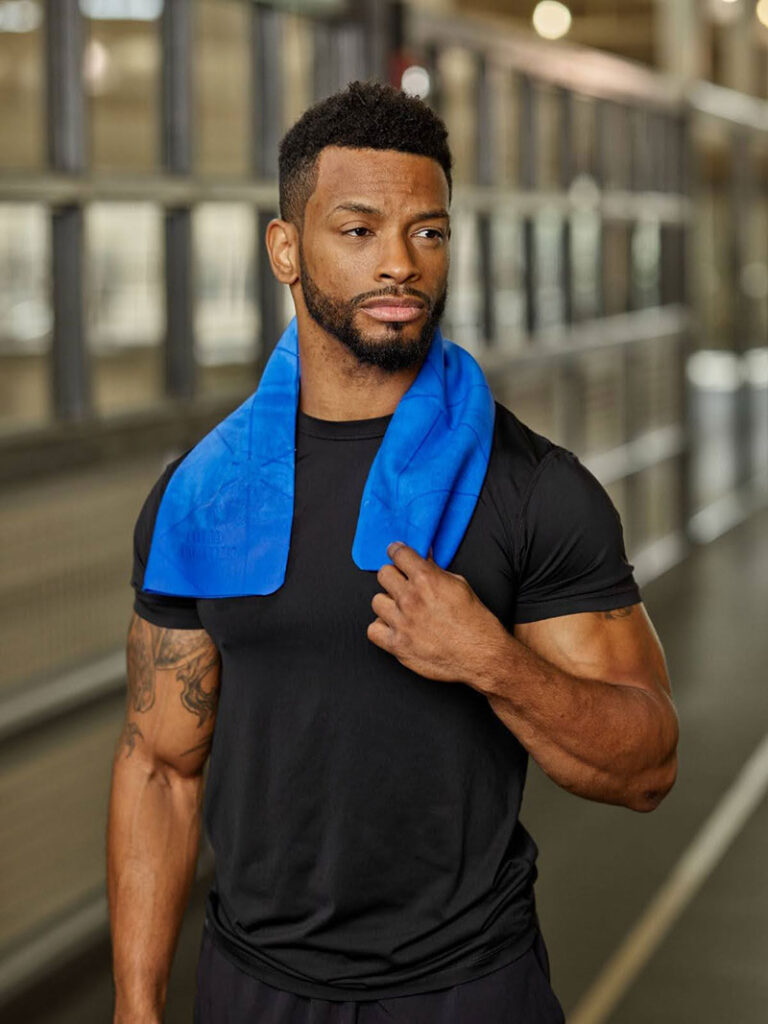
microfiber cooling towel soft absorbent quick dry gym workout chill refreshing fabric moisture wicking cooling gear outdoor sports blue lightweight cooling relief
Health & Wellness

Heat: The #1 Weather-Related Killer

Heat is the leading cause of weather-related deaths, surpassing hurricanes, tornadoes, and floods combined. Extreme temperatures put immense stress on the body, increasing the risk of heat exhaustion, heatstroke, and dehydration. Whether you’re an athlete, outdoor worker, or simply enjoying time outside, understanding how to protect yourself from excessive heat is crucial. How Heat Affects the Body When temperatures rise, the body relies on sweating to cool down. However, excessive sweating can lead to dehydration and electrolyte imbalances, reducing your body’s ability to regulate heat. High humidity further intensifies this issue, making it harder for sweat to evaporate. Prolonged heat exposure can cause dizziness, nausea, confusion, and even organ failure if not managed properly. Staying Cool and Protected Preventing heat-related illnesses requires a combination of hydration, shade, and cooling gear. While drinking plenty of water is essential, wearing the right clothing can make a significant difference in staying cool. Instant Cooling Arm Sleeves help regulate body temperature by wicking away moisture and providing UV protection, reducing the risk of sunburn and overheating. They are a great option for runners, cyclists, and outdoor workers who need coverage without feeling weighed down. Instant Cooling PVA Towel is designed to provide instant relief from heat. Simply soak it in water, wring it out, and place it around your neck, wrists, or forehead for an immediate cooling effect. This is especially useful during intense workouts or long hours in the sun. Recognizing Heat-Related Illnesses If you experience any of the following symptoms, it’s important to take action immediately: Heat exhaustion: Heavy sweating, weakness, dizziness, nausea, and headache. Move to a cool area, drink water, and use cooling accessories like the PVA Cooling Towel to lower your body temperature. Heatstroke: High body temperature, confusion, rapid pulse, and loss of consciousness. This is a medical emergency—seek immediate help and use cooling methods until medical professionals arrive. Final Thoughts Heat is not just uncomfortable—it can be deadly. Whether you’re working, training, or just spending time outdoors, being mindful of the risks and equipping yourself with hydrating, cooling, and protective gear can make all the difference. The Instant Cooling Arm Sleeves and PVA Cooling Towel offer simple yet effective ways to stay safe in extreme temperatures. Stay cool, stay hydrated, and stay protected!

Read More »
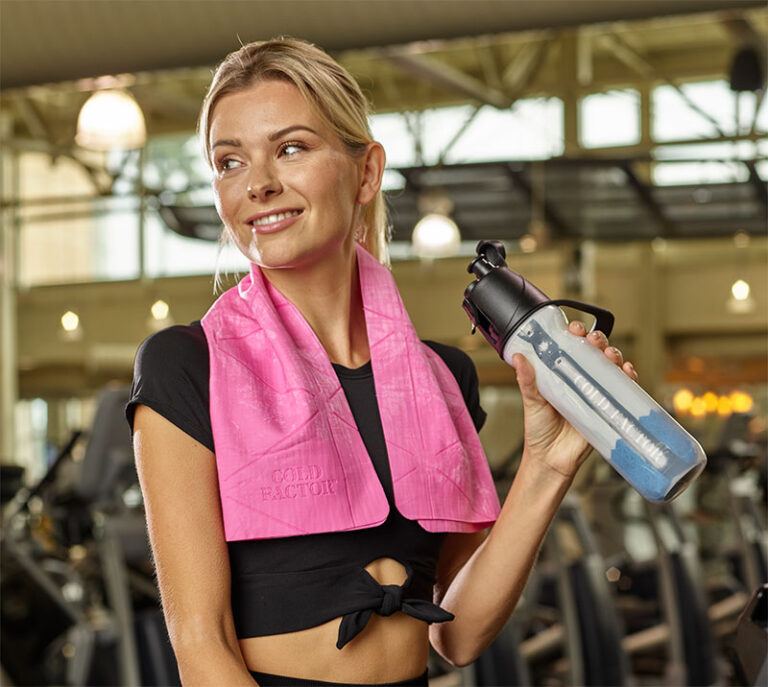
Woman Holding Hydromist Bottle with Pink Microfiber Towel Wrapped Around Her Neck
Health & Wellness

Healthy Hydration: Why You Need More Than Just Water

Staying hydrated is essential for your health, energy levels, and overall performance. But drinking plain water isn’t always enough—especially if you’re sweating, working out, or spending time outdoors. Your body needs a balance of fluids, electrolytes, and cooling strategies to stay properly hydrated. Water Alone Isn’t Enough Water is vital, but when you sweat, your body loses key electrolytes like sodium, potassium, and magnesium. These minerals help regulate fluid balance, muscle function, and nerve signals. Without replenishing them, you might experience: Fatigue Muscle cramps Dizziness or headaches Drinking too much plain water without replacing lost minerals can even lead to hyponatremia, a condition where your sodium levels drop too low. Upgrade Your Hydration Game To hydrate smarter, consider these better ways to replenish fluids and stay cool: Use a Dual-Action Misting Water Bottle Hydration isn’t just about drinking—it’s also about cooling down your body efficiently. The Cold Factor Dual-Action Misting Water Bottle is a hydration vessel and a cooling device in one. It lets you drink refreshing water while also using a fine mist to cool down your skin instantly—perfect for hot days, workouts, and outdoor adventures. Replenish Electrolytes Sports drinks, coconut water, or electrolyte tablets can help restore balance after sweating. Look for options with low sugar and high essential minerals. Eat Hydrating Foods Certain fruits and vegetables naturally boost hydration, such as: Cucumbers – 96% water Watermelon – 92% water Oranges – Rich in potassium and vitamin C Use Cooling Towels Pairing hydration with evaporative cooling technology helps regulate body temperature and prevent overheating. Cold Factor’s cooling towels wick away heat and provide instant relief, making them a great addition to your hydration plan. Hydrate Smarter for Peak Performance Instead of just sipping plain water, combine hydration, electrolytes, and cooling tools to keep your body functioning at its best. Whether you’re working out, hiking, or just dealing with the summer heat, the right hydration accessories make a difference. Upgrade your routine with Cold Factor’s cooling solutions—from the Misting Water Bottle to Cooling Towels—and stay ahead of dehydration while keeping your body cool and comfortable.

Read More »
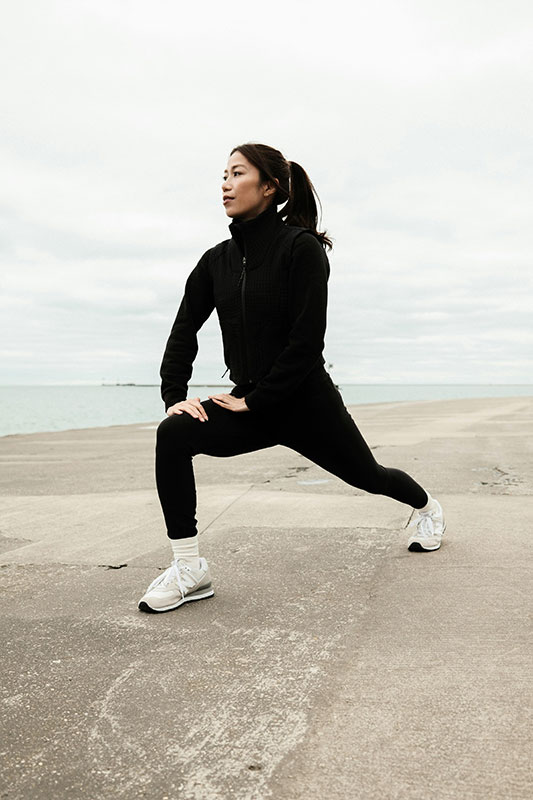
microfiber cooling towel quick dry lightweight soft absorbent fabric chill refreshing blue cooling gear outdoor yoga seaside workout moisture wicking cooling relief heat protection
Health & Wellness

Why It’s Important to Manage Body Temperature in Cold Weather

When the temperatures drop and winter sets in, outdoor activities like running, cycling, hiking, and even everyday work routines can present new challenges. Managing your body temperature in cold weather is essential to maintain performance, prevent injuries, and keep your body functioning at its best. Whether you’re an athlete, a worker, or a family member braving the cold, understanding how to regulate your body temperature is key to staying safe and healthy during the winter months. Here’s why it’s so important to manage your body temperature in cold weather, and how you can do it effectively. 1. Prevent Hypothermia and FrostbiteCold weather presents the risk of hypothermia and frostbite, two serious conditions that occur when the body is unable to retain enough heat. Hypothermia happens when the body’s core temperature drops below 95°F, which can lead to confusion, shivering, and even loss of consciousness. Frostbite, on the other hand, is the freezing of skin and tissue, often affecting extremities like fingers, toes, and ears. Tip: To prevent these conditions, it’s essential to layer your clothing and wear the right gear, such as insulated gloves, hats, and moisture-wicking base layers. Always monitor your body for signs of discomfort and numbness in your extremities. 2. Maintain Optimal PerformanceWhen you exercise in cold weather, your body has to work harder to regulate your internal temperature, which can impact your performance. Cold muscles are more prone to tightness and injury, and if your body struggles to warm up, it can lead to fatigue, reduced strength, and slower reaction times. Tip: Start your workouts with a dynamic warm-up to get your blood flowing, and wear clothing that allows your body to retain heat without causing overheating. Layering your clothing in a way that you can easily adjust it based on your activity level is a great strategy for staying comfortable. 3. Protect Your Respiratory SystemBreathing in cold, dry air can be harsh on the respiratory system, especially for athletes or workers who spend prolonged periods outdoors. Cold air can irritate the airways, leading to discomfort, wheezing, or shortness of breath. For those with respiratory conditions like asthma, this can exacerbate symptoms and make outdoor activities feel even more challenging. Tip: To protect your respiratory system, wear a scarf or face mask to warm the air before you breathe it in. Drinking warm fluids can also help soothe the throat and prevent irritation. 4. Enhance Recovery After Workouts or Work ShiftsAfter exercising or completing a long day of physical work in the cold, your body’s ability to recover is key to avoiding stiffness and muscle soreness. If your body temperature remains low after exertion, muscles can tighten, leading to delayed recovery or injury. Ensuring your body stays warm helps promote blood circulation and muscle repair. Tip: After your workout or shift, immediately change out of wet clothes and into warm, dry gear to help your body return to its normal temperature. If you’re using ice baths or cold treatments for recovery, be sure to limit the exposure time to avoid the negative effects of prolonged cold exposure. 5. Stay Comfortable and MotivatedNothing can be more discouraging than feeling too cold to continue an activity, especially when you’ve set fitness goals or work deadlines to meet. When you’re shivering, it can make it difficult to stay motivated or focused on your tasks. By managing your body temperature, you ensure a more comfortable experience, which makes it easier to stick with your routine and keep up your performance. Tip: Invest in high-quality cold-weather gear, like moisture-wicking base layers, thermal socks, and weather-resistant outerwear. By staying warm and dry, you’ll be able to focus on your activity without distraction and enjoy the process. 6. Support Your Immune SystemCold weather can take a toll on your immune system. When your body is working overtime to stay warm, your immune system may become compromised, making you more susceptible to colds and other illnesses. This is why it’s crucial to protect your body from extreme temperatures and keep your internal temperature regulated. Tip: Eating nutritious foods that support immune health, like fruits, vegetables, and protein, can complement your efforts to stay warm. Also, wearing the proper gear ensures your body is less likely to expend extra energy trying to maintain warmth. How to Effectively Manage Body Temperature in Cold WeatherNow that you understand the importance of managing your body temperature, here are some tips for keeping comfortable and safe during cold-weather activities: Layer Your Clothing: Wear moisture-wicking base layers to keep sweat away from your skin, an insulating layer to trap heat, and a waterproof or windproof outer layer to protect against the elements. Be sure to adjust layers as needed to avoid overheating. Stay Hydrated: Even in the cold, your body needs hydration to function properly. Cold air can be drying, so make sure to drink plenty of fluids throughout the day. Wear Appropriate Footwear and Gloves: Your extremities are particularly vulnerable in cold weather. Insulated boots and gloves can prevent frostbite and keep your feet and hands warm, even when you’re on the go. Warm Up and Cool Down Properly: Take extra time to warm up before workouts in the cold to avoid injury. Afterward, cool down slowly and gradually to help your body return to its normal temperature. Pay Attention to Your Body’s Signals: If you start feeling too cold, numb, or fatigued, take a break and warm up. Don’t push through the discomfort—your body is signaling that it needs attention. ConclusionManaging your body temperature in cold weather is crucial for both your safety and performance, whether you’re an athlete, a worker, or someone simply enjoying outdoor activities. By layering properly, staying hydrated, and listening to your body, you can ensure that you’re prepared for the challenges that winter brings. Invest in the right gear, plan ahead, and prioritize your body’s needs, and you’ll be able to maintain your fitness routine or work tasks safely throughout the colder months. Stay warm, stay safe, and make this winter a


Read More »
microfiber cooling towel soft absorbent quick dry fabric yoga meditation indoor relaxation cooling relief refreshing lightweight chill gear moisture wicking comfort heat protection
Health & Wellness

The Transformative Power of Exercise: Boosting Mood and Well-being

In the pursuit of happiness and well-being, we often seek solutions in various avenues – from mindfulness practices to self-help books. Yet, one of the most potent and readily available tools for enhancing mood lies right at our fingertips: exercise. The connection between physical activity and mental health has long been recognized, with numerous studies affirming the profound impact of exercise on mood in a positive way. Understanding the Science:Before delving into the anecdotal experiences and personal testimonials, it’s crucial to grasp the scientific underpinnings of this phenomenon. When we engage in exercise, our bodies release a cascade of neurotransmitters and endorphins, often dubbed as the “feel-good” chemicals. These include dopamine, serotonin, and endorphins, which collectively contribute to a sense of euphoria, reduced stress, and improved mood. Moreover, regular exercise promotes neuroplasticity – the brain’s ability to reorganize and form new neural connections. This can lead to enhanced cognitive function, better stress management, and a more resilient mindset. Additionally, physical activity stimulates the production of brain-derived neurotrophic factor (BDNF), a protein that supports the growth and survival of neurons, further bolstering mental health. Elevating Mood and Reducing Stress:Ask anyone who incorporates exercise into their daily routine, and you’re likely to hear tales of its transformative effects on mood. Whether it’s a brisk walk in nature, a heart-pumping cardio session, or the meditative flow of yoga, physical activity has a remarkable knack for dissipating tension and lifting spirits. Studies have consistently shown that even short bursts of exercise can yield immediate mood-boosting effects. A quick jog or a bout of strength training can alleviate symptoms of anxiety and depression, leaving individuals feeling more energized, focused, and emotionally balanced. Cultivating Resilience:In today’s fast-paced world, stress has become an omnipresent companion for many. Yet, regular exercise serves as a powerful antidote to the pressures of modern life. By engaging in physical activity, individuals not only release pent-up tension but also develop resilience in the face of adversity. The discipline and commitment required for maintaining an exercise regimen instill valuable life skills, such as perseverance and self-discipline. Moreover, the sense of accomplishment derived from meeting fitness goals can bolster self-esteem and foster a positive outlook on life. Fostering Social Connection:Exercise has a remarkable ability to bring people together, whether through group fitness classes, team sports, or outdoor activities. The social aspect of exercise can significantly enhance its mood-boosting effects by fostering a sense of camaraderie and belonging. Participating in physical activities with others provides opportunities for meaningful social interaction, which is vital for mental well-being. Sharing laughter, encouragement, and mutual support during workouts can strengthen relationships and provide a sense of community – essential components of a fulfilling life. Embracing the Mind-Body Connection:Ultimately, the relationship between exercise and mood extends beyond mere physical exertion; it embodies the intricate interplay between mind and body. By nurturing our bodies through movement, we simultaneously nurture our minds, cultivating a holistic sense of well-being. In a world where stress and negativity abound, exercise stands as a beacon of hope – a reminder that we possess the power to shape our own happiness. So, lace up your sneakers, roll out your yoga mat, or hit the trails – and let the transformative power of exercise illuminate your path to a brighter, more joyful existence.

Read More »
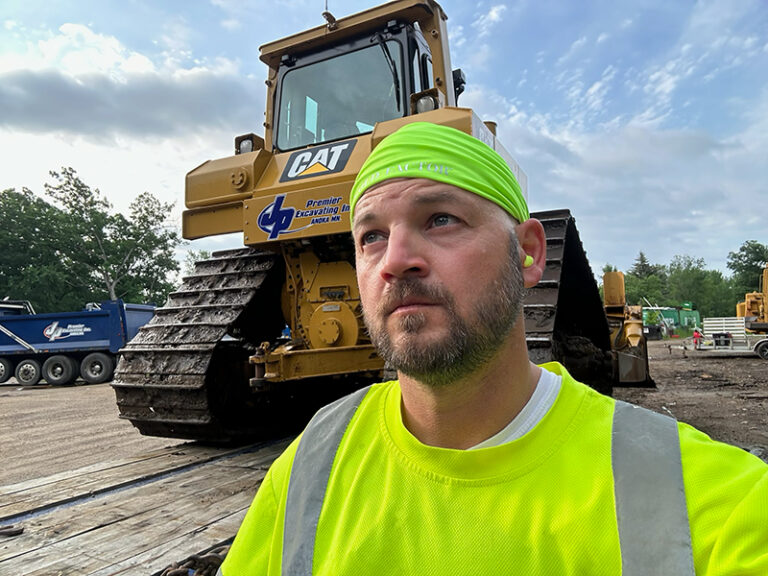
cooling skull cap helmet liner breathable beanie men women motorcycle construction hardhat wrap running outdoor chill sweat pack headband camo heat protection hot weather
Health & Wellness

Beating the Heat: Managing Heat Stress for Outdoor and Indoor Workers

As temperatures rise and summer approaches, the sweltering heat can pose significant challenges for workers across various industries. Whether toiling under the sun’s relentless rays or navigating the stifling conditions indoors, the risk of heat-related illnesses looms large. Understanding the impact of heat on the job and implementing strategies to mitigate its effects is crucial for ensuring the health and safety of workers. The Toll of Heat on Outdoor WorkersFor outdoor workers – from construction crews to agricultural laborers – exposure to high temperatures presents a formidable obstacle. Prolonged periods of physical exertion in the heat can lead to heat-related illnesses, ranging from heat exhaustion to life-threatening heatstroke. The combination of high ambient temperatures, humidity, and direct sunlight can elevate the risk of dehydration, heat cramps, and heat exhaustion. Furthermore, certain industries, such as roofing and road construction, often involve working on surfaces that absorb and radiate heat, exacerbating the conditions. The Hidden Dangers for Indoor WorkersWhile indoor environments may offer respite from the scorching sun, they are not immune to the effects of heat. Offices, warehouses, and manufacturing plants can become uncomfortably hot, especially in the absence of adequate ventilation or air conditioning. Indoor workers may experience symptoms of heat stress, including fatigue, dizziness, and difficulty concentrating. Prolonged exposure to elevated temperatures can impair cognitive function and increase the risk of accidents and errors on the job. Mitigating the Effects of Heat StressWhether working outdoors or indoors, proactive measures can help mitigate the risks associated with heat stress. Employers and workers alike must prioritize safety and implement strategies to stay cool and hydrated during hot weather. Stay Hydrated: Encourage frequent hydration by providing access to cool, potable water throughout the workday. Workers should drink fluids regularly, even if they do not feel thirsty, to prevent dehydration. Take Regular Breaks: Schedule frequent rest breaks in shaded or air-conditioned areas to allow workers to cool down and replenish fluids. Rotate tasks to minimize prolonged exposure to heat, especially during the hottest times of the day. Wear Appropriate Clothing: Dress in lightweight, breathable fabrics that wick away sweat and allow for ventilation. Consider wearing hats with wide brims and sunglasses to protect against sun exposure. Utilize Engineering Controls: Implement engineering controls, such as shade structures, fans, or misting systems, to reduce ambient temperatures in outdoor and indoor work environments. Educate Workers: Provide training on recognizing the signs of heat-related illnesses and emphasize the importance of early intervention. Encourage workers to speak up if they experience symptoms of heat stress and ensure they know how to respond appropriately. Modify Work Practices: Adjust work schedules to avoid the hottest part of the day whenever possible. Consider staggering shifts or implementing flexible hours to minimize exposure to extreme heat. ConclusionAs temperatures soar, the threat of heat-related illnesses looms large for outdoor and indoor workers alike. By prioritizing safety, implementing preventive measures, and fostering a culture of vigilance, employers can help protect their workforce from the adverse effects of heat stress. Remember, staying cool and hydrated is not just a matter of comfort – it’s essential for safeguarding the health and well-being of workers in all environments. By working together and taking proactive steps to mitigate the risks, we can ensure that everyone stays safe and productive on the job, even in the midst of summer’s sweltering heat.

Read More »
cooling skull cap lightweight breathable beanie helmet liner instant chill outdoor cycling workout moisture wicking chill relief construction heat protection cool gear summer
Health & Wellness

Feeling the Heat: The Impact of Heat and How to Stay Safe

As the sun blazes high in the sky, heat becomes an inevitable factor in our lives, impacting both athletes and non-athletes alike. Whether you’re an active sports enthusiast or someone going about your daily routine, understanding the effects of heat on the body and implementing safety measures is crucial. In this blog post, we’ll explore how heat affects our bodies, the unique challenges faced by athletes and non-athletes, and practical tips to stay safe while working or exercising in hot conditions. The Impact of Heat on the BodyDehydration: The most significant concern when it comes to heat is dehydration. As the body sweats to cool down, it loses essential fluids and electrolytes, leading to imbalances that can cause fatigue, dizziness, and even heat-related illnesses. Heat Exhaustion: This condition occurs when the body struggles to cool itself effectively, leading to symptoms such as heavy sweating, weakness, nausea, and headache. Heat Stroke: Heat stroke is a severe and potentially life-threatening condition where the body’s core temperature rises to dangerous levels. Symptoms include confusion, rapid heart rate, unconsciousness, and seizures. Muscle Cramps: High temperatures can lead to muscle cramps due to the loss of electrolytes and fluid imbalances. For athletes, the impact of heat can be particularly challenging, as their physical exertion raises the risk of heat-related issues. Factors such as increased heart rate, core body temperature, and sweating during intense workouts amplify the chances of dehydration and heat exhaustion. Even for individuals not engaged in rigorous physical activity, heat can still take a toll. Non-athletes, especially the elderly, children, and those with certain medical conditions, are more susceptible to heat-related illnesses due to reduced ability to regulate body temperature. Tips for Staying Safe in the HeatStay Hydrated: Hydration is paramount in hot conditions. Drink plenty of water before, during, and after physical activity, and even during regular daily tasks. Dress Appropriately: Wear lightweight, loose-fitting, and light-colored clothing to promote air circulation and reflect sunlight. Schedule Wisely: Plan outdoor activities during cooler parts of the day, such as early morning or late evening, to avoid peak heat hours. Take Breaks: During exercise or work, take frequent breaks in the shade or a cool environment to allow your body to cool down. Know Your Limits: Be mindful of your body’s signals and adjust your activity level accordingly. If you feel dizzy, fatigued, or experience cramps, take a break immediately. Acclimatize Gradually: For athletes, gradually increase the intensity and duration of workouts in the heat to allow your body to adapt. Seek Shade: Whenever possible, seek shade or create shade using umbrellas or canopies to shield yourself from direct sunlight. Cooling Products: When the temperature rises and the heat becomes unbearable, incorporating cooling products into your routine can be a game-changer for both athletes and non-athletes. These innovative products are designed to provide instant relief and help regulate body temperature, making outdoor activities and workouts in the heat more manageable. Let’s explore some popular cooling products and how they can keep you cool and comfortable even on the hottest days. Cooling TowelsCooling towels are a simple and effective way to cool down during physical activities or outdoor tasks. These specialized towels are made from moisture-wicking and quick-drying materials that, when wet, provide a cooling sensation as the water evaporates. Simply soak the towel in cold water, wring it out, and place it around your neck, forehead, or any other area that needs cooling. The cooling effect can last for several hours, offering respite from the heat. Cooling Caps and HatsProtecting your head from the sun is essential, and cooling caps or hats take it a step further by keeping you cool while shielding you from harmful UV rays. These hats often feature built-in cooling technology or are made from breathable materials that allow heat to escape, keeping your head cooler than traditional caps or hats. Cooling Neck WrapsSimilar to cooling towels, cooling neck wraps are designed to be wrapped around your neck or forehead to provide relief from heat. These accessories are lightweight, portable, and can be easily reactivated by wetting them with water. They offer a convenient way to stay cool during outdoor activities, workouts, or even while commuting on hot days. Cooling MistingFor a refreshing breeze on scorching days, cooling misting fans are an excellent option. These handheld or portable fans emit a fine mist of water along with a cooling breeze, instantly lowering the ambient temperature around you. Some models are rechargeable or battery-operated, making them convenient to use on the go. ConclusionThe impact of heat on the body is a force to be reckoned with, regardless of whether you’re an athlete or not. Understanding the risks associated with hot conditions and taking proactive steps to stay safe is essential for overall well-being. By staying hydrated, dressing appropriately, and being mindful of your body’s needs, you can enjoy outdoor activities and workouts without compromising your health. Incorporating cooling products into your daily routine can make a world of difference. From cooling towels and caps and misting fans, these innovative solutions help athletes and non-athletes stay comfortable and safe during hot weather conditions. Remember to combine the use of cooling products with other heat safety measures, such as staying hydrated and taking regular breaks in the shade, to enjoy the great outdoors while beating the heat. Stay cool and refreshed all summer long with these fantastic cooling companions and embrace the warmth of the sun!

Read More »
cooling skull cap breathable lightweight beanie helmet liner instant chill moisture wicking sweat absorbing workout gear for gym outdoor cycling running heat protection comfort
Health & Wellness

Embracing the Cool Breeze: The Magic of Evaporative Cooling Technology with PVA and Microfiber

As summer’s scorching heat settles in, finding effective ways to stay cool and safe becomes a top priority. Among the various cooling technologies available, evaporative cooling stands out as a game-changer. In this blog post, we’ll explore the fascinating world of evaporative cooling technology, with a particular focus on PVA (Polyvinyl Alcohol) and microfiber, and why incorporating these materials into your cooling arsenal is a smart choice to beat the heat while staying comfortable and safe. Understanding Evaporative Cooling TechnologyEvaporative cooling is a natural and energy-efficient process that takes advantage of water’s ability to absorb heat as it evaporates. When hot air comes into contact with a surface or material containing water, the water molecules absorb heat from the air, transforming from a liquid to a vapor state. As a result, the surrounding air cools down, creating a refreshing and comfortable sensation. PVA (Polyvinyl Alcohol)Polyvinyl Alcohol, commonly known as PVA, is a synthetic polymer that exhibits exceptional water absorbency. It is a key component in many evaporative cooling products due to its ability to retain water for extended periods. PVA material is soft, lightweight, and comfortable to wear, making it ideal for various cooling accessories such as towels, bandanas, and cooling vests. How PVA Evaporative Cooling WorksWhen PVA products are immersed in water, the polymer chains absorb the liquid, effectively storing the water. When these products are worn or used, the absorbed water starts to evaporate, drawing heat from the body or the surrounding environment and providing a cooling effect. The PVA material remains damp but not wet, delivering consistent cooling without feeling overly soaked. MicrofiberMicrofiber is a synthetic fabric made from ultrafine fibers, typically much thinner than a human hair. It is known for its softness, durability, and superior moisture-wicking properties. In the context of evaporative cooling, microfiber is an excellent material for cooling towels and clothing. How Microfiber Evaporative Cooling WorksMicrofiber towels are designed to have a high surface area, allowing them to absorb and retain significant amounts of water. When wet, the microfiber fabric effectively holds onto the water, and as the moisture evaporates, it cools down the fabric. This cooling process ensures that the towel remains cool for an extended period, providing constant relief from heat. Why Use PVA and Microfiber for Evaporative Cooling? Effective and Long-Lasting CoolingBoth PVA and microfiber are highly efficient in retaining water and delivering consistent cooling. They can provide relief from the heat for several hours before needing re-wetting, making them ideal companions for outdoor activities, sports, and even everyday tasks during hot weather. Portable and ConvenientEvaporative cooling products made from PVA and microfiber are lightweight and portable, allowing you to take them anywhere. Whether you’re going for a hike, working in the garden, or just lounging by the pool, these cooling accessories are easy to carry and use on the go. Safe and Environmentally FriendlyEvaporative cooling technology is a natural process that doesn’t rely on electricity or harmful chemicals. PVA and microfiber are safe and eco-friendly materials, providing a sustainable solution for staying cool during hot summers. ConclusionEmbrace the marvels of evaporative cooling technology with PVA and microfiber to beat the heat and stay comfortable and safe this summer. From cooling towels and headwear accessories to arm sleeves, these innovative materials offer effective and long-lasting relief from scorching temperatures. So, whether you’re an outdoor enthusiast, an athlete, or simply someone seeking refuge from the heat, equip yourself with PVA and microfiber evaporative cooling products, and welcome the cool breeze wherever you go!

Read More »
microfiber cooling towel colorful soft absorbent quick dry lightweight chill refreshing cooling gear for poolside summer outdoor sports moisture wicking cooling relief comfort
Health & Wellness

The Lifesaving Elixir: Understanding the Importance of Hydration

Water is the essence of life. Every living being on this planet depends on it for survival, and humans are no exception. Hydration, the process of maintaining an adequate water balance in our bodies, is crucial for our overall health and well-being. In this blog post, we will delve into the vital importance of hydration and explore the numerous benefits it provides to our bodies and minds. The Significance of HydrationWater makes up a significant portion of the human body, ranging from 50% to 60% in adults and even higher in infants and children. It plays a pivotal role in various physiological processes, making it an essential element for sustaining life. From regulating body temperature to aiding digestion and nutrient absorption, hydration is a cornerstone of optimal health. Regulating Body TemperatureOne of the primary functions of water in our bodies is to regulate temperature. As we engage in physical activities or encounter hot environments, we sweat to cool down. This natural cooling system relies on water to facilitate evaporation from our skin, preventing overheating and heat-related illnesses. Supporting Digestion and Nutrient AbsorptionWater is essential for breaking down food in the digestive system and promoting the absorption of vital nutrients. Adequate hydration aids in smooth digestion, preventing issues like constipation and ensuring that our bodies receive the necessary nourishment from the foods we eat. Flushing Toxins and Waste ProductsOur kidneys are responsible for filtering waste products and toxins from our bloodstream. Staying hydrated helps ensure that our kidneys function optimally, efficiently removing these harmful substances from our bodies and maintaining a healthy urinary system. Lubricating Joints and Cushioning OrgansWater acts as a natural lubricant, keeping joints well-oiled and enabling smooth movement. Additionally, it provides cushioning for vital organs, such as the brain and spinal cord, shielding them from impact and injury. Boosting Energy and Mental ClarityDehydration can lead to a drop in energy levels and diminished cognitive function. By staying adequately hydrated, we keep our bodies and minds alert, improving focus, concentration, and overall productivity. The Consequences of DehydrationFailure to maintain proper hydration can have severe consequences on our health. Dehydration occurs when the body loses more fluids than it takes in, upsetting the balance required for optimal functioning. Mild dehydration can cause symptoms like fatigue, headaches, and dry mouth. If left untreated, it can progress to more severe conditions such as heat exhaustion or heatstroke, kidney stones, and urinary tract infections. In extreme cases, dehydration can be life-threatening, especially for vulnerable populations like infants, elderly individuals, and those with certain medical conditions. Tips for Staying HydratedEnsuring adequate hydration doesn’t have to be a daunting task. Here are some simple tips to help you stay properly hydrated throughout the day: Drink Water Regularly: Make a conscious effort to drink water at regular intervals. Keep a water bottle with you, and take sips throughout the day. Monitor Urine Color: A pale yellow color indicates proper hydration, while darker urine suggests you need to drink more water. Hydrate During Physical Activity: Drink water before, during, and after exercise to replace lost fluids. Consume Water-Rich Foods: Incorporate fruits and vegetables with high water content, such as watermelon, cucumber, and oranges, into your diet. ConclusionHydration is not just a health buzzword; it is the essence of life. Proper hydration is vital for our bodies to function optimally and for us to lead healthy, active lives. By understanding the significance of hydration and taking proactive steps to stay hydrated, we can enjoy the countless benefits it offers and safeguard our well-being. So, let’s raise a glass to water, the lifesaving elixir that keeps us going strong!

Read More »